
Most people don’t have just one skin concern. A breakout fades but leaves behind dark marks. Sun exposure creates uneven patches of color. Fine lines begin showing up around the eyes and mouth. Before long, it feels like every issue requires a different product, a different treatment, and a different skincare routine.
The reality is that many common skin concerns share a common thread: they are linked to the way skin cells age, accumulate damage, and renew themselves.
That’s why chemical peels continue to be one of the most versatile treatments in aesthetic skincare. Instead of targeting a single issue, they work on the overall quality of the skin, helping address concerns such as acne, discoloration, rough texture, and visible signs of aging at the same time.
The idea of improving several concerns with one cosmetic skin treatment may sound too good to be true, but there’s real science behind it. Keep reading to discover how a chemical peel can support healthier-looking skin and why it remains one of the most trusted options for skin rejuvenation.
Understanding Chemical Peels
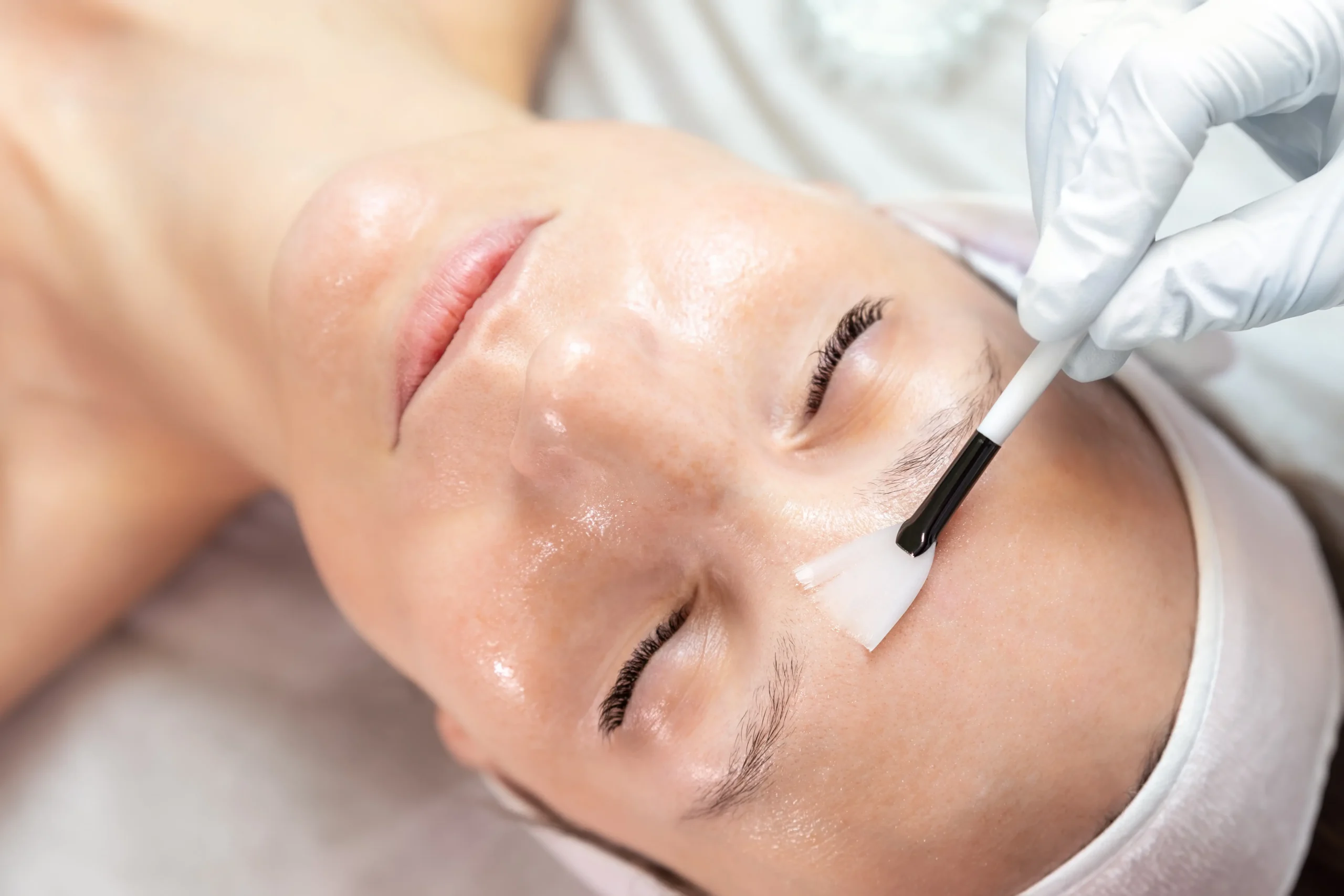
Before exploring their benefits, it’s helpful to understand how chemical peels actually work. A chemical peel is an exfoliation treatment that uses carefully selected acids to remove damaged outer layers of skin and stimulate healthy cellular turnover.
By encouraging old skin cells to shed and fresh skin cells to rise to the surface, chemical peels help improve both the appearance and texture of the skin. The depth of treatment varies depending on the patient’s goals and skin condition.
Common categories include:
- Superficial peels that target the outermost layer of skin for brightening and maintenance
- Medium-depth peels that address more noticeable pigmentation, acne concerns, and early signs of aging
- Deep peels that penetrate further into the skin to treat more significant concerns under professional supervision
The purpose isn’t simply to make the skin peel. The goal is skin renewal. This controlled resurfacing process encourages healthier skin to emerge while improving clarity, tone, and texture over time.
Why Multiple Concerns Often Appear Together
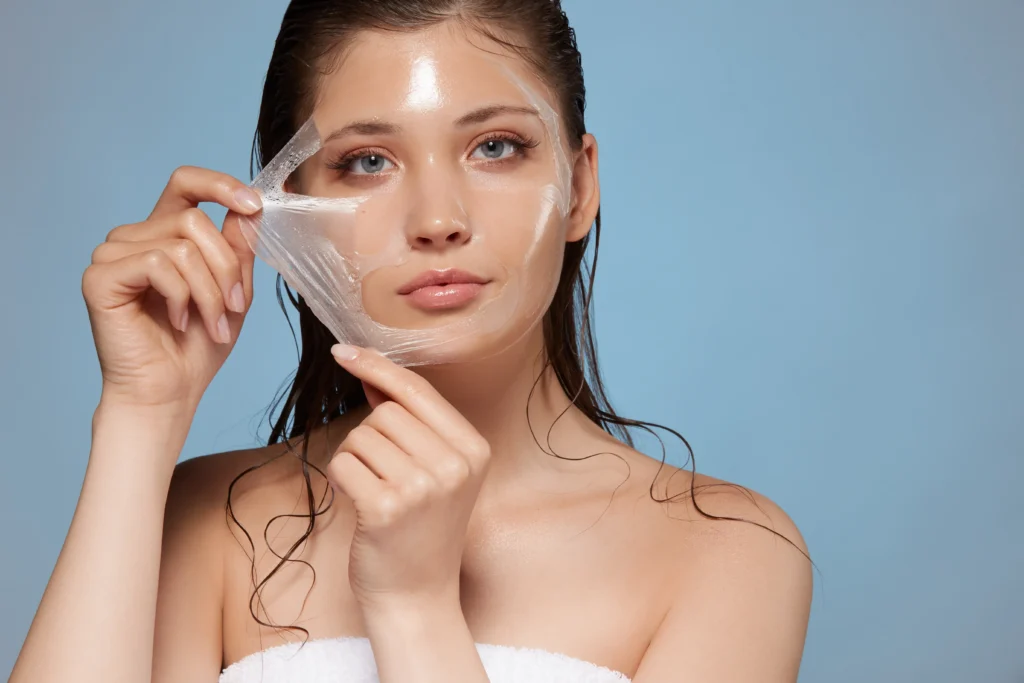
One reason chemical peels are so effective is because acne, pigmentation, and fine lines often share overlapping causes. Sun exposure can contribute to hyperpigmentation treatment needs while also accelerating collagen breakdown.
Inflammation from acne can leave discoloration and textural irregularities behind. Aging slows cellular turnover, making fine lines more visible while causing the complexion to appear dull and uneven.
Rather than treating each issue separately, chemical peels address the underlying process of damaged skin accumulation. By accelerating skin renewal, they help improve several concerns simultaneously.
Fresh Skin Starts With Exfoliation
Every healthy skin cycle depends on regular exfoliation. When young, the body naturally sheds dead skin cells efficiently. As we age, that process slows down. Dead cells begin accumulating on the surface, contributing to:
- Dullness
- Rough texture
- Uneven skin tone
- Congested pores
- More noticeable fine lines
A chemical peel speeds up this process through controlled exfoliation. As damaged surface cells are removed, newer and healthier skin becomes visible.
This simple mechanism creates a ripple effect that benefits many aspects of skin health. The result is often a brighter complexion that looks smoother, fresher, and more vibrant.
Tackling Acne at the Source
Acne is one of the most common reasons patients seek professional skin treatments. Many people focus solely on active breakouts, but acne is often a multi-layered issue involving excess oil, clogged pores, inflammation, and slow cell turnover.
Chemical peels help address several of these factors simultaneously. By removing excess surface debris and encouraging healthier cell turnover, they help reduce the buildup that contributes to clogged pores.
Certain peel formulations also contain ingredients that support oil regulation and exfoliation within the pore itself. This makes chemical peels a valuable acne treatment for patients dealing with recurring congestion and blemishes.
The benefits extend beyond active breakouts. Patients frequently notice improvements in overall skin clarity, making the complexion appear cleaner and healthier even between treatments.
Fading Post-Acne Marks
For many patients, the most frustrating part of acne isn’t the breakout itself. It’s what remains afterward. Post-inflammatory hyperpigmentation can linger for weeks or even months after blemishes heal.
Dark spots often become especially noticeable on areas that receive regular sun exposure. Because chemical peels accelerate cellular turnover, they help gradually lift and disperse excess pigment trapped within the skin.
As fresh cells move to the surface, discoloration becomes less prominent. This process makes chemical peels an effective option for hyperpigmentation treatment while simultaneously supporting smoother skin texture.
Patients often appreciate that they’re addressing both acne and its aftermath in the same treatment plan.
Brightening Uneven Skin Tone
Pigmentation concerns extend beyond acne marks. Years of sun exposure, hormonal fluctuations, and environmental stressors can create patches of discoloration that leave the complexion looking uneven. These concerns often include:
- Sun spots
- Age spots
- Melasma
- General uneven skin tone
A chemical peel promotes more uniform cell turnover, helping fade visible discoloration over time. As damaged cells are replaced, the skin gradually appears more balanced and luminous. Many patients describe this as one of the most satisfying benefits of treatment because it creates a more youthful and refreshed appearance without drastically changing facial features.
The improvement often looks natural because it comes from healthier skin rather than camouflage.
Smoothing Fine Lines
Fine lines develop for several reasons. Collagen production declines with age. Environmental damage accumulates. Skin renewal slows. Together, these factors contribute to visible aging. Chemical peels help combat this process in multiple ways.
First, removing damaged surface cells can make existing fine lines appear softer and less noticeable. Second, certain peel formulations stimulate deeper skin activity that supports collagen production and ongoing repair.
This dual action contributes to smoother skin while supporting long-term anti-aging skincare goals. Although chemical peels are not a substitute for surgical procedures, they can be highly effective for patients seeking non-invasive improvement in early signs of aging.
Improving Skin Texture
Texture is often one of the first things people notice about their skin, even if they can’t immediately identify what’s bothering them. Roughness, unevenness, and dullness can make skin appear older than it actually is.
Chemical peels promote skin texture improvement by encouraging more organized cell turnover. As damaged cells are removed and healthier cells emerge, the skin surface becomes smoother and more refined. Patients often notice:
- Softer skin
- Better makeup application
- Reduced rough patches
- Improved radiance
- More uniform texture
This improvement contributes significantly to overall facial appearance.
Helping With Acne Scars
While deeper acne scars may require combination treatments, chemical peels can still play an important role. Certain peels support gradual remodeling of superficial acne scars by encouraging ongoing regeneration and exfoliation.
Repeated treatments may help reduce the appearance of:
- Mild textural irregularities
- Shallow acne scars
- Post-inflammatory discoloration
- Uneven skin texture
When incorporated into a comprehensive treatment plan, chemical peels often complement other skin resurfacing procedures designed to address more significant scarring concerns.
Creating Healthier-Looking Skin Overall
One reason chemical peels remain so popular is because they don’t focus on a single symptom. They improve the overall condition of the skin. Patients frequently report improvements in:
- Brightness
- Smoothness
- Clarity
- Tone
- Texture
- Radiance
These collective improvements create a refreshed appearance that looks healthy rather than obviously treated. Instead of addressing one concern at a time, chemical peels support comprehensive skin rejuvenation.
One Treatment, Multiple Benefits
The reason chemical peels continue to stand the test of time is simple. They address the skin as a whole rather than chasing individual imperfections. By supporting skin renewal, encouraging healthy exfoliation, and promoting a smoother, brighter complexion, chemical peels can improve acne, pigmentation, fine lines, and overall skin quality at the same time.
At Serene Med Spa @ Vibrancy in Virginia Beach, VA, personalized chemical peel treatments are designed to match each patient’s unique goals and skin concerns. Whether the focus is clearer skin, a more even complexion, or visible skin rejuvenation, a customized approach can help reveal healthier-looking skin that feels as refreshed as it looks.
Connect with us today to book your consultation!