
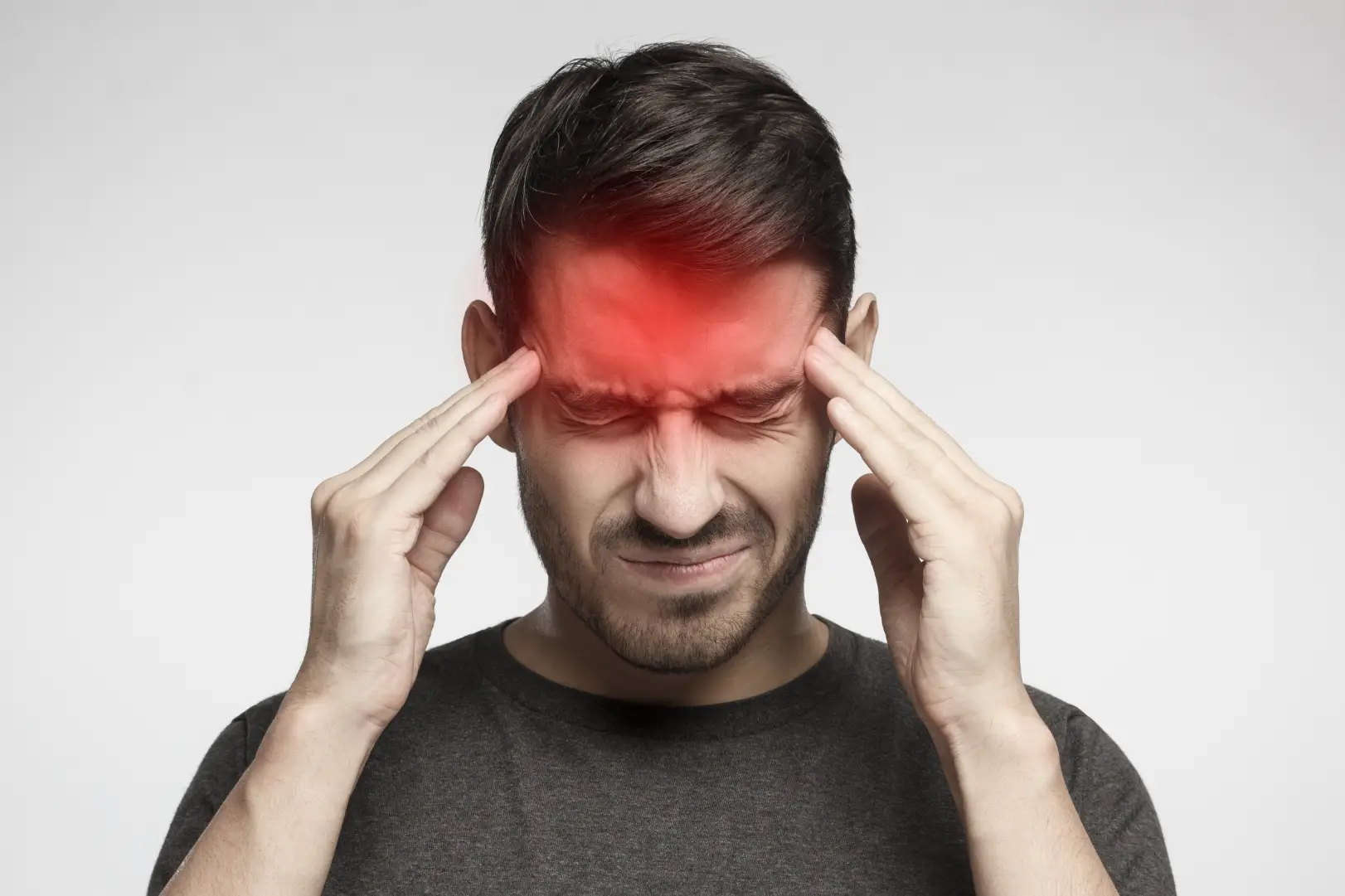
A headache can be unpleasant enough on its own. Add a numb cheek, tingling fingers, or a pins-and-needles sensation, and the experience can become much more unsettling. Sometimes these neurological sensations occur with migraine and resolve completely.
Other times, sudden numbness combined with head pain can signal a medical emergency that shouldn’t be mistaken for an ordinary headache. The details matter, especially how suddenly symptoms started, where the numbness occurs, how long it lasts, and whether weakness, confusion, or vision changes appear with it.
Understanding those patterns can help you know when symptoms deserve routine evaluation and when waiting isn’t appropriate. Keep reading to learn what numbness and tingling with headache can mean and which warning signs should prompt immediate medical attention.
When Tingling Meets a Headache
Numbness and tingling aren’t diagnoses themselves. They’re symptoms that can occur for several reasons, so the entire pattern needs to be considered rather than focusing on one sensation.
1. Migraine Aura Can Cause Sensory Changes
Migraine doesn’t always begin with pain. Some people experience an aura before or during a migraine attack. Aura involves temporary neurological symptoms and can affect vision, sensation, or speech. Visual symptoms are especially familiar, but sensory changes can happen too.
Migraine numbness may begin as tingling in one hand or on one side of the face. The sensation can gradually spread along an arm or toward the face and tongue before fading. This gradual progression can be an important feature.
According to the American Migraine Foundation, sensory aura can include tingling that travels from one area to another, sometimes followed by numbness. Aura symptoms typically develop gradually and generally last between five and 60 minutes.
A migraine headache may follow, occur simultaneously, or sometimes never develop at all. If you’ve never experienced neurological symptoms with migraine before, however, don’t diagnose yourself based on a familiar description online.
New numbness or tingling deserves medical evaluation because other neurological conditions can produce similar symptoms.

2. Facial Tingling Can Occur With Migraine
A strange sensation across the cheek, lips, or jaw can feel particularly alarming. A tingling face migraine may occur as part of sensory aura. The sensation can feel like pins and needles, buzzing, prickling, or partial numbness. The pattern often provides useful information.
Migraine aura commonly develops gradually rather than appearing at maximum intensity instantly. Symptoms may move from one location to another before resolving. But facial tingling isn’t exclusive to migraine.
Dental problems, nerve irritation, anxiety-related hyperventilation, infections, metabolic problems, and neurological conditions can produce altered facial sensations. Sudden one-sided facial numbness can also be associated with stroke. This is why a familiar pattern and a brand-new symptom shouldn’t be treated the same way.
Someone with an established diagnosis of migraine with sensory aura may recognize a recurring sequence. Someone experiencing sudden facial numbness for the first time needs a more cautious approach.
3. A Numb Hand May Be Part of an Aura
Sensory aura frequently involves an arm or hand. It may start in the fingertips and gradually travel upward. Some people describe tingling first, followed by temporary numbness. When this accompanies migraine, the sensation usually resolves.
Still, don’t assume every headache with numbness in an arm or hand is migraine. Sudden numbness affecting one side of the body is also a classic stroke warning sign. Timing becomes especially important here.
Gradually spreading positive sensations, such as pins and needles, can occur during migraine aura. Stroke symptoms are often sudden, although real-life presentations don’t always follow textbook patterns.
When there’s uncertainty, particularly with a new neurological symptom, seeking urgent medical assessment is safer than trying to distinguish migraine from stroke at home.
4. Weakness Is Different From Tingling
Numbness and muscle weakness can feel similar when you’re frightened, but medically they’re different symptoms. Tingling is an altered sensation. Weakness means you’re having difficulty generating normal strength. You may struggle to lift an arm, grip an object, walk normally, or keep one side of your face symmetrical.
Sudden weakness alongside a headache is much more concerning. The American Stroke Association identifies facial drooping, arm weakness, and speech difficulty as key stroke warning signs and advises calling emergency services immediately. Other warning signs can include sudden numbness, confusion, vision problems, difficulty walking, dizziness, or a severe headache without a known cause.
Don’t wait to see whether those symptoms disappear. A transient ischemic attack, or TIA, can cause stroke-like symptoms that resolve. Even if they disappear, urgent medical evaluation is still necessary because a TIA can be a warning of a future stroke.
5. A Sudden Severe Headache Is a Red Flag
How quickly a headache reaches maximum intensity can tell you a great deal. A headache that explodes into severe pain within seconds or minutes is often described as a thunderclap headache. That isn’t a wait-until-tomorrow symptom.
Thunderclap headache can be associated with serious conditions, including bleeding around the brain. Mayo Clinic advises immediate medical attention for an abrupt, severe headache, particularly when it occurs with neurological symptoms.
If sudden severe head pain appears alongside numbness, weakness, trouble speaking, fainting, confusion, or difficulty seeing, seek emergency care. Even if you’re someone who regularly gets migraines, a dramatically different headache pattern deserves attention. Your previous diagnosis doesn’t make every future headache a migraine.
6. Speech or Vision Changes Raise the Stakes
Migraine aura can affect speech and vision, which is one reason differentiating migraine from a neurological emergency can become complicated. Someone with migraine aura might see flashing lights, zigzag patterns, blind spots, or other visual disturbances. Language can temporarily become difficult too.
Stroke can also interfere with speech and vision. The difference can’t always be determined safely without medical assessment. If you suddenly can’t speak normally, can’t understand speech, experience new vision loss, become confused, or develop one-sided numbness or weakness, treat it as an emergency.
Don’t drive yourself to the hospital. Emergency medical services can begin assessment and communicate with the receiving hospital while you’re being transported. With stroke, treatment options can be highly time-sensitive. A headache can wait. A possible stroke can’t.
7. Neck Symptoms Can Change the Picture
Headache combined with neck symptoms deserves context. Muscle tension and neck strain commonly accompany headaches. Sitting at a desk for hours, clenching the jaw, or sleeping awkwardly can leave the head, neck, and shoulders uncomfortable.
But severe headache accompanied by fever and a stiff neck is different. Meningitis can cause headache, fever, and neck stiffness, among other symptoms. The Centers for Disease Control and Prevention notes that bacterial meningitis is a medical emergency and can progress rapidly.
Confusion, vomiting, light sensitivity, or altered consciousness can add to the concern. Numbness isn’t necessarily the defining feature here. The point is that headache symptoms should never be interpreted in isolation. What accompanies the headache can completely change its significance.
8. Jaw Tension Can Trigger Head Pain
Not every headache with unusual facial sensations begins inside the brain. The jaw can contribute. Temporomandibular disorders, often called TMD or casually referred to as TMJ problems, affect the jaw joint and surrounding muscles.
Jaw clenching and teeth grinding can overwork muscles such as the masseters and temporalis. That tension can contribute to pain around the jaw, temples, face, and head. Patients may wake with jaw soreness or headaches, particularly if they’re grinding or clenching during sleep. They might also notice facial fatigue, tenderness while chewing, clicking, or restricted jaw movement.
Numbness and tingling aren’t classic symptoms that should automatically be attributed to TMD, however. If facial numbness is new, persistent, one-sided, or associated with neurological symptoms, it deserves appropriate medical evaluation rather than being dismissed as jaw tension.
Once dangerous or unrelated causes have been considered, treating excessive jaw-muscle activity may be one component of headache management for selected patients.
9. Anxiety Can Create Real Physical Sensations
Stress can make the body behave in surprisingly physical ways. During anxiety or panic, some people begin breathing faster or more deeply than necessary. Hyperventilation changes carbon dioxide levels in the blood and can cause tingling or numb sensations, particularly around the mouth and in the hands.
Head discomfort, dizziness, chest tightness, and a feeling of unreality can accompany the episode. That doesn’t mean symptoms should automatically be labeled anxiety. This is especially important when numbness is new or one-sided.
A healthcare professional can help distinguish symptoms associated with panic or hyperventilation from migraine, neurological disorders, medication effects, metabolic abnormalities, and other conditions.
You’re stressed shouldn’t become a shortcut that prevents appropriate evaluation. Once other causes have been considered, however, recognizing a connection between anxiety, breathing patterns, muscle tension, and headaches can help guide management.

Your Pattern Tells a Story
A headache accompanied by tingling or numbness can mean very different things depending on how the symptoms begin and what comes next. Sensory migraine aura is one possibility, while sudden neurological changes can point to conditions that require immediate medical attention.
For patients whose recurring headaches are connected to jaw clenching or TMJ-related muscle tension, Serene Med Spa @ Vibrancy in Virginia Beach, VA, offers Botox as one potential treatment option after appropriate evaluation. Understanding what’s actually driving the discomfort comes first, so treatment can focus on the problem rather than simply covering up the pain.
Call us today to schedule your appointment!